

Regarding keeping a comfortable and functional home, one element that is often ignored is the plumbing system. Home plumbing systems can be complex and require frequent maintenance to maintain their efficiency. HomePro Plumbing and Drains is ready to assist homeowners deal with the challenges of plumbing concerns, ensuring that even the minor drips do not lead to larger problems down the line.
Grasping the essential skills of plumbing can allow every homeowner to tackle small problems themselves and make wise determinations about when to seek expert assistance. Whether you're dealing with a leaky faucet or a stubborn drain, learning these HomePro plumbing techniques will not only save you time and money but also boost your ability in handling home upkeep responsibilities. spintax ## Important Plumbing Equipment
Possessing the appropriate gear is crucial for successful pipe maintenance and installations. A comprehensive kit can make even the most daunting household water tasks manageable. Fundamental tools like a plumbing vise and variable grippers are crucial for gripping and maneuvering tubing. A good set of screw tools, including both flathead and cross types, is also vital for removing and securing fittings. In addition to these, a box cutter will aid with trimming through multiple substances, while a measuring tape ensures accurate measurements.
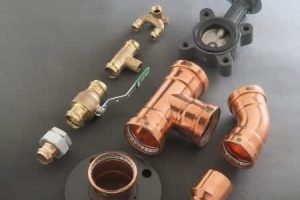
A further important type of plumbing tools includes those designed for solving drips and obstructions. A unclogging device is a must-have for clearing blockages in basins and lavatories, while a drain cleaner provides a better clean for persistent clogs within the plumbing setup. If you're dealing with leaks, a tube cutter and a repair kit for copper fittings can also be incredibly helpful. Investing in a quality flashlight can help you illuminate into dim areas under basins or behind devices, making it simpler to identify issues.
In conclusion, protection should always be a main concern when engaging in plumbing projects. A set of safety gloves will guard your hands from sharp edges and dirt, while protective eyewear will protect your eyes from flying particles. A heavy-duty pail can collect any water that may leak during maintenance, keeping your work area tidy and safe. With these essential plumbing tools, you can handle domestic pipe jobs with confidence and efficiency.
Typical Draining Problems
Clogs are one of the most prevalent issues residents face with their drains. They can occur in sinks, bathtubs, and toilet systems, often caused from a buildup of fat, strands of hair, detergent residue, and other debris. Consistent maintenance and careful disposal methods can help reduce these issues. Using strainers and from time to time flushing the drains with heated water or a vinegar with baking soda mixture can keep pipes clear and working effectively.
Another frequent problem is slow drainage, which may not be as critical as a total obstruction but can be quite frustrating. This often suggests a minor obstruction or an anomalies with the drainage system's angle. Residents might observe that water takes longer than usual to flow out, and while it might not require immediate attention, it is important to address the underlying issue before it grows into a more severe issue. Observing the speed of drainage can save effort and expenses in the future.
Lastly, homeowners should be mindful of unpleasant odors emanating from the drains, which often signal stagnant organic matter or pooled water. This can be particularly concerning in kitchen and bathroom areas. Addressing these smells frequently requires sanitizing the drains thoroughly and may call for the use of specialized products or professional help if the condition persists. By ensuring clean and working the drains, property owners can prevent a number of plumbing problems and ensure their plumbing systems function efficiently.
Step by Step Fix Strategies
In the case of plumbing concerns, the first step is consistently to identify the source of the problem. Start by checking the area around sinks, lavatories, and pipes for drips and signs of water damage. After you locate where the issue lies, you can begin to collect the essential tools and materials for the repair. Having a wrench, tape, and replacement parts on hand can help you avoid time and frustration.
Once gathering your tools, switch off the water supply to prevent any further water damage while you work. If you are repairing a leaky faucet, for instance, carefully disassemble the faucet using your wrench. water heater repair San Diego CA to the order of the components so that you can reassemble them correctly later. Change any worn washers or seals, which are often the factors behind leaks, and then reassemble the faucet securely.
In conclusion, once your repairs are finished, turn the water supply back on and test for leaks. Gradually open the faucet or valves to allow air to vent before completely turning them on. Observe the repair area for any signs of dripping. If everything functions correctly without leaks, you have successfully completed your plumbing repair. Consistent maintenance and familiarization with these techniques will help you manage future plumbing issues like a pro.
Office 8910 Activity Rd, Suite Unit-C, San-Diego, California 92126, U.S.A. Phone +1-858-251-7070
Business-Hours Open Twenty-Four Hours